Zubní anestezie: Co potřebujete vědět o bezbolestném léčení zubů
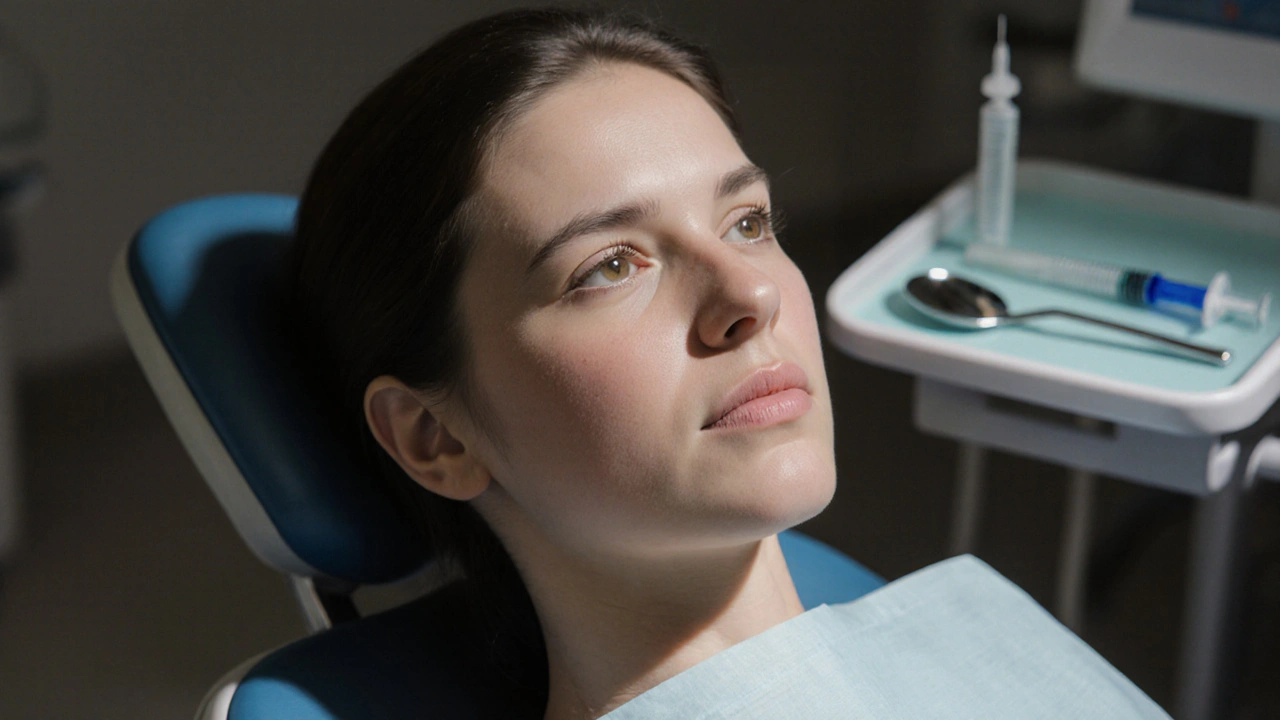
When you think about going to the dentist, the biggest fear for most people isn’t the cost or the time—it’s the zubní anestezie, místní lék, který dočasně vypíná citlivost v oblasti úst, aby léčba proběhla bez bolesti. Also known as místní anestezie, it’s not magic—it’s science, and it’s been making dental visits bearable for over a century. Many people still believe it’s painful to get injected, but modern techniques make it almost unnoticeable. The needle is tiny, the gel on the gum numbs the surface first, and the anesthetic kicks in within seconds. You won’t feel the drill, the filling, or the extraction—just a slight pressure, like someone gently pushing on your cheek.
Not all zubní lékaři, specialisté, kteří provádějí léčbu zubů a dásní s použitím anestetik a moderních technologií use the same type of anesthetic. Most commonly, it’s lidocaine or articaine—fast-acting, safe, and effective for 1–3 hours. If you’re nervous, some clinics offer nitrous oxide (smiling gas) alongside it. And yes, even if you’re pregnant, diabetic, or on other medications, there’s almost always a safe option. Your dentist will ask about your health history—not to scare you, but to pick the best anesthetic for your body.
It’s not just about pulling teeth. bolest zubů, nevolnost nebo ostrá bolest při jídle, která často vyžaduje okamžitou léčbu can be caused by deep cavities, infected roots, or gum inflammation—all treatable with proper anesthesia. Even routine cleanings can use a light numbing gel if your gums are sensitive. You don’t have to suffer through a procedure. The goal isn’t to make you numb forever—it’s to give you control. To let you relax, breathe, and know that you’re not alone in the chair.
Some people avoid the dentist because they remember bad experiences from years ago—when needles were thicker and the numbing didn’t work well. That’s not the case anymore. Today’s clinics, including Zubní Lázně Janské, use precision tools, digital maps of nerves, and even vibration devices to reduce discomfort. The anesthetic is delivered slowly, precisely, and with care. And if you still feel a pinch? Just raise your hand. Your dentist will stop and adjust.
What you’ll find in the posts below isn’t just theory. It’s real stories from people who thought they couldn’t handle dental visits—and then did. You’ll learn how anesthesia fits into everything from simple fillings to complex surgeries. You’ll see how it connects to gum disease, tooth decay, and even those stubborn black tartar deposits. You’ll understand why skipping a visit because you’re afraid of pain is the worst thing you can do. And you’ll realize that the real fear isn’t the needle—it’s what happens if you wait too long.