
Test znalostí: Prevence zubního kamene
Zubní kámen vzniká z nečistot, které nevyčistíte včas. Jak dobře znáte nejlepší způsoby prevence? Zkuste tento rychlý test.
Načítám otázku...
Test dokončen!
Vaše skóre: 0/5
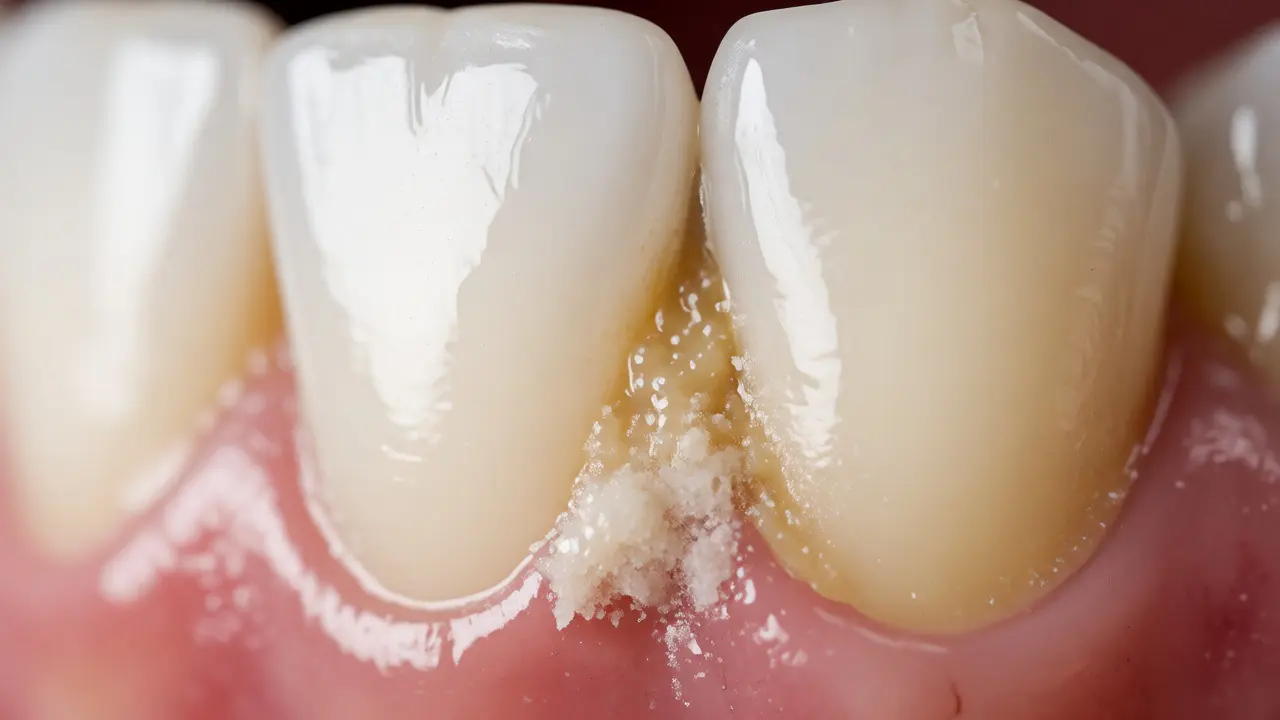
Zubní kámen je ten nepříjemný tvrdý nános, který vám kazí úsměv a často i náladu u zubaře. Vzniká z měkkého plaku, který si nevyčistíte včas, a postupně tvrdne jako beton. Once formed, it won't brush away with your toothbrush. You need professional help. But do you really want to visit the hygienist every six months just because you forgot to floss? Probably not.
Here's the good news: preventing tartar is easier than removing it once it's there. It’s all about consistency and using the right tools. If you know what causes it and how to stop it before it hardens, you can save yourself time, money, and discomfort. Let’s break down exactly how dental hygiene works against this stubborn enemy.
Proč vlastně vzniká zubní kámen?
Zubní kámen (dental calculus) is mineralized dental plaque. It starts as plaque, a sticky film of bacteria that forms on your teeth constantly. When you eat, especially sugary or starchy foods, these bacteria produce acids. If you don't remove this film within 24-48 hours, minerals from your saliva (mainly calcium and phosphate) get trapped in it. This process turns soft plaque into hard tartar. Think of it like limescale in a kettle-once it's there, scrubbing it off takes serious effort.
You might notice it near the gum line or behind your lower front teeth, where salivary glands are most active. That’s why tartar loves those spots. The rough surface of tartar then becomes a perfect home for more bacteria, leading to bad breath, gum inflammation (gingivitis), and eventually periodontitis if left unchecked.
Klíčové nástroje pro každodenní boj s plaky
Your toothbrush alone isn’t enough. Studies show that brushing removes only about 60% of plaque. The rest hides between teeth and along the gumline. So, what actually works?
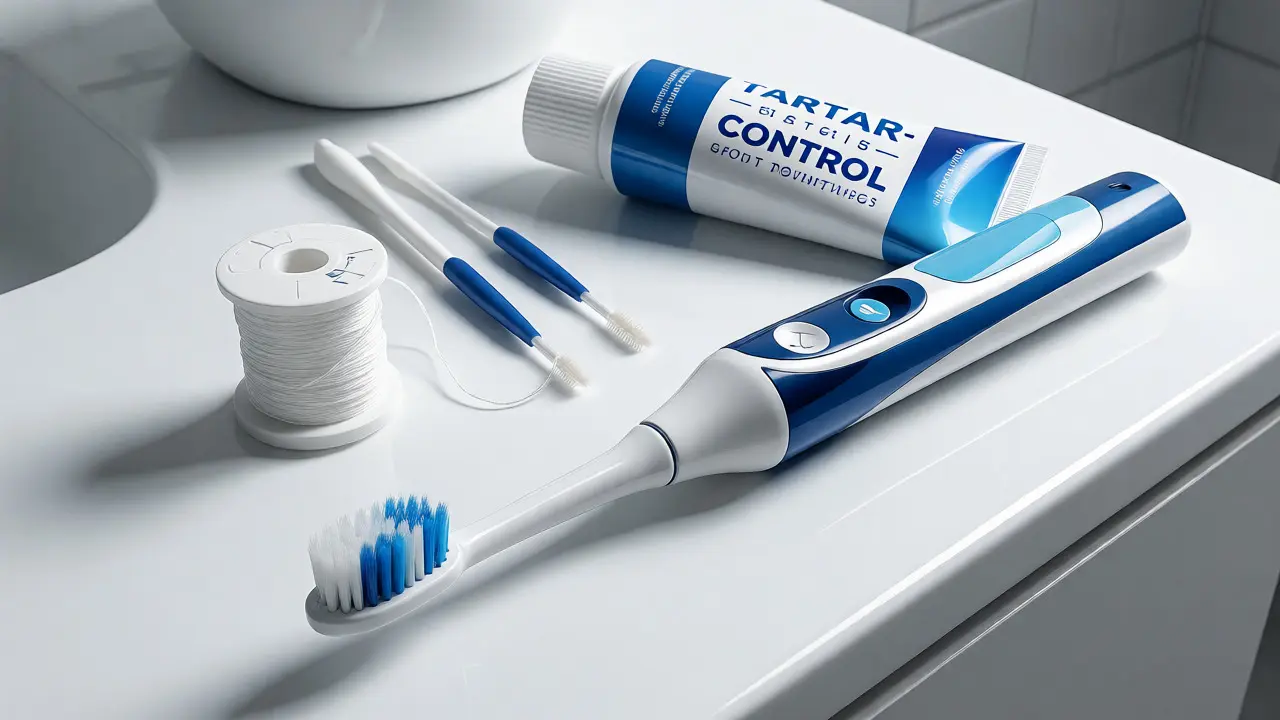
- Electric toothbrush: Oscillating-rotating models (like Oral-B) reduce plaque by up to 11% more than manual brushes over three months, according to Cochrane reviews. They’re less dependent on your technique.
- Flossing or interdental brushes: This is non-negotiable. Plaque accumulates between teeth where bristles can’t reach. Floss daily, or use interdental brushes if you have gaps. Skipping this is the #1 reason people get tartar despite brushing well.
- Antibacterial mouthwash: Look for ingredients like chlorhexidine (short-term use) or cetylpyridinium chloride (CPC). These don’t remove plaque mechanically but kill bacteria that form it. Use them as a supplement, not a replacement.
- Tartar-control toothpaste: Some contain pyrophosphates or zinc citrate, which help prevent mineralization. They won’t remove existing tartar but can slow new formation.
Technika čištění: Neděláte chyby?
Most people brush too fast and too hard. You’re not scrubbing a pan-you’re cleaning delicate enamel and gums. Here’s a simple routine that works:
- Brush twice a day for two minutes each time. Use a timer or an app. Most adults average only 45 seconds per session.
- Angle your brush at 45 degrees toward the gumline. This targets the sulcus, where plaque loves to hide.
- Use short, gentle strokes. Avoid horizontal scrubbing, which wears down enamel and recedes gums.
- Clean all surfaces: Outer, inner, and chewing surfaces. Don’t forget the back of your last molars.
- Floss before brushing. This loosens debris so fluoride from toothpaste can reach between teeth better.
If you bleed when flossing, don’t stop. It usually means inflamed gums, which improve after a week of consistent flossing. Bleeding stops as health returns.
Jídlo a nápoje: Skrytí nepřátelé
You don’t need to cut out sugar entirely, but frequency matters more than quantity. Every time you snack on carbs or sip coffee, bacteria get a fresh meal. Constant grazing keeps acid levels high, promoting plaque growth.
| Category | Examples | Impact on Tartar |
|---|---|---|
| High Risk | Soda, candy, white bread, chips | Sticky sugars feed bacteria; starches turn to sugar quickly. |
| Moderate Risk | Coffee, tea, red wine | Acidic and staining; can erode enamel, making plaque stick easier. |
| Low Risk / Protective | Cheese, yogurt, water, crunchy veggies | Neutralize acids; stimulate saliva, which naturally cleans teeth. |
Rinse with water after coffee or wine. Cheese at the end of a meal raises pH in your mouth, reducing acid attack. Water is your best friend-it washes away food particles without adding sugar.
Kdy navštívit dentálního hygienistu?
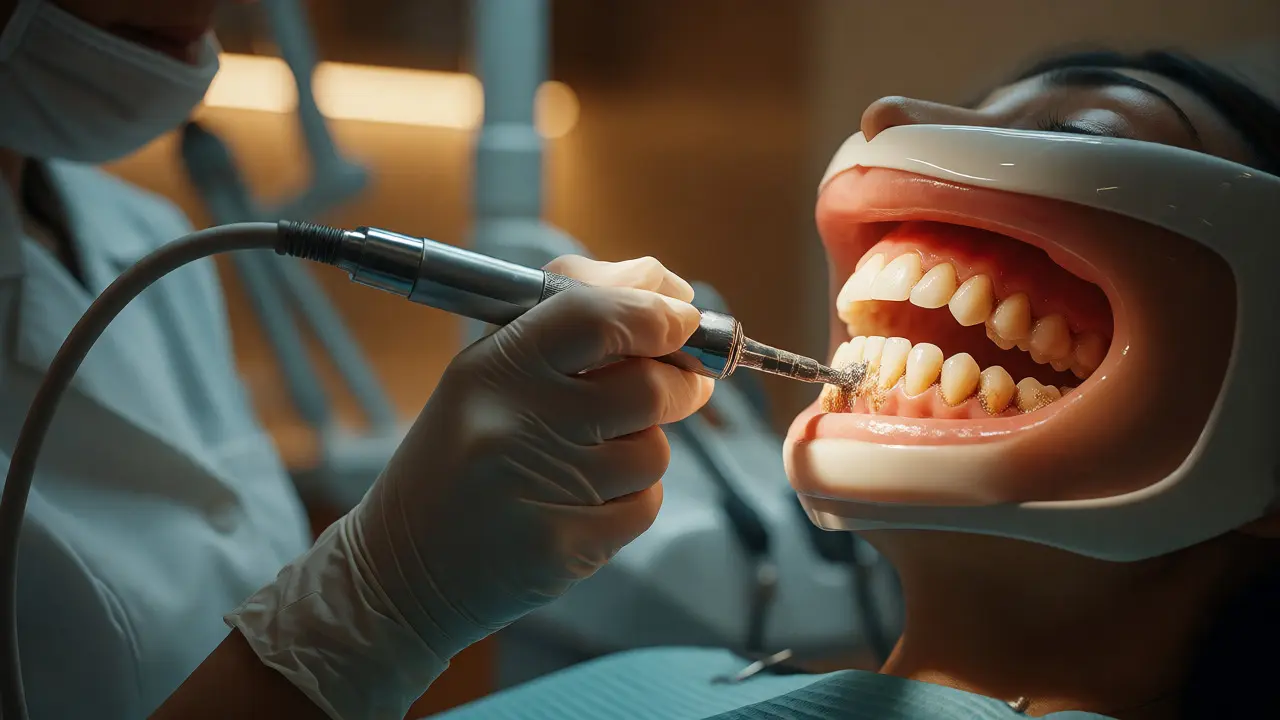
Even with perfect home care, some tartar will form. Saliva composition varies person to person. Some people calcify plaque faster due to genetics or diet. Professional cleaning (scaling) removes tartar below the gumline and above it, which you can’t do yourself.
Aim for visits every 6 months. If you’re prone to heavy tartar buildup, your dentist might recommend every 3-4 months. During the visit, they’ll also check for early signs of gum disease. Catching gingivitis early prevents costly treatments later.
Don’t skip cleanings because “nothing hurts.” Gum disease is often painless until it’s advanced. By then, you might lose bone support around teeth.
Domácí tipy, které fungují (a které jsou mýtus)
You’ve probably seen hacks online: baking soda, vinegar, lemon juice. Do they work?
- Baking soda: Mild abrasive. Can help polish stains and neutralize acids. Use sparingly-too much can wear enamel.
- Vinegar: Acidic. May soften tartar slightly but risks eroding enamel. Not recommended for regular use.
- Lemon juice: High acidity. Bad idea for enamel. Stick to water.
- Oil pulling (coconut oil): Some studies suggest it reduces bacteria count, but evidence is weak. It’s safe but not a substitute for flossing.
The truth? No home remedy removes hardened tartar. Only mechanical scaling does. Home care prevents new buildup.
Časté otázky o zubním kameni
Can I remove tartar myself at home?
No. Once plaque mineralizes into tartar, it bonds strongly to enamel. Home kits with picks or ultrasonic devices may help slightly but risk damaging gums or enamel if used incorrectly. Professional scaling is safer and more effective.
Does smoking cause more tartar?
Yes. Smokers tend to have more tartar buildup and higher rates of gum disease. Tobacco alters oral microbiome and reduces blood flow to gums, masking early signs of inflammation while accelerating damage.
Is tartar removal painful?
Usually not. Scaling feels like scraping, sometimes sensitive if gums are inflamed. Topical numbing gel can help if needed. Most patients describe it as uncomfortable but tolerable.
How long does it take for plaque to become tartar?
It can start hardening within 24-72 hours if not removed. Complete mineralization takes weeks, but early stages are already difficult to brush off. Consistent daily cleaning breaks this cycle.
Do electric toothbrushes prevent tartar better?
They help reduce plaque significantly compared to manual brushing, especially if you struggle with technique. However, no toothbrush reaches between teeth. Flossing remains essential regardless of brush type.
Co dělat, když už máte kámen?
Book a dental hygiene appointment. Ask for ultrasonic scaling followed by polishing. Polishing smooths the surface, making it harder for new plaque to stick. Afterward, maintain strict home care to delay next buildup.
If you notice bleeding gums, persistent bad breath, or visible yellow/brown deposits near gums, don’t wait. Early intervention prevents progression to periodontitis, which affects bone structure and can lead to tooth loss.
Remember, dental hygiene isn’t just about aesthetics. It’s systemic health. Poor oral health links to heart disease, diabetes complications, and respiratory issues. Keeping tartar under control supports your whole body.